
The Hmong population, a celebrated ethnic group with a vibrant culture and resilient character, is estimated to number between four to five million, primarily living in Southeast Asia and the mountainous regions of southern China.1
Labelled as hostile dissidents for their collaboration with the United States (U.S.) during the Vietnam War, the Hmong have long been deprived of Indigenous status recognition and appropriate legal protections, as well as been subjected to systemic discrimination.2 As of the late 1970s, approximately 300,000 people had been displaced and thousands killed in military operations with those remaining in Phou Bia and Xaisomboun, Laos, facing arbitrary detentions, extrajudicial executions, sexual violence, forced disappearances, and protracted military siege conditions.3
Recent documentation, as of May 2025, indicates a renewed escalation in military crackdowns, arbitrary killings, and mass detentions, with an estimated 200 Hmong men detained and at least 67 confirmed deaths between May and August 2025.4 The situation has reportedly evolved into a preventable humanitarian catastrophe with women and children deprived of access to food, basic services, and healthcare.5
According to Genocide Watch, the Hmong in Laos currently face conditions of dehumanisation, persecution and polarisation consistent with the early stages of genocide.6 Critics, journalists, and activists are routinely targeted through violence, enforced disappearances, detention, and censorship particularly when raising concerns about Hmong rights.
This article examines how the persecution of the Hmong people constitutes a pattern of state-led ethnic cleansing and cultural erasure, enabled by impunity and the absence of international accountability.
Laos’ systemic abuse
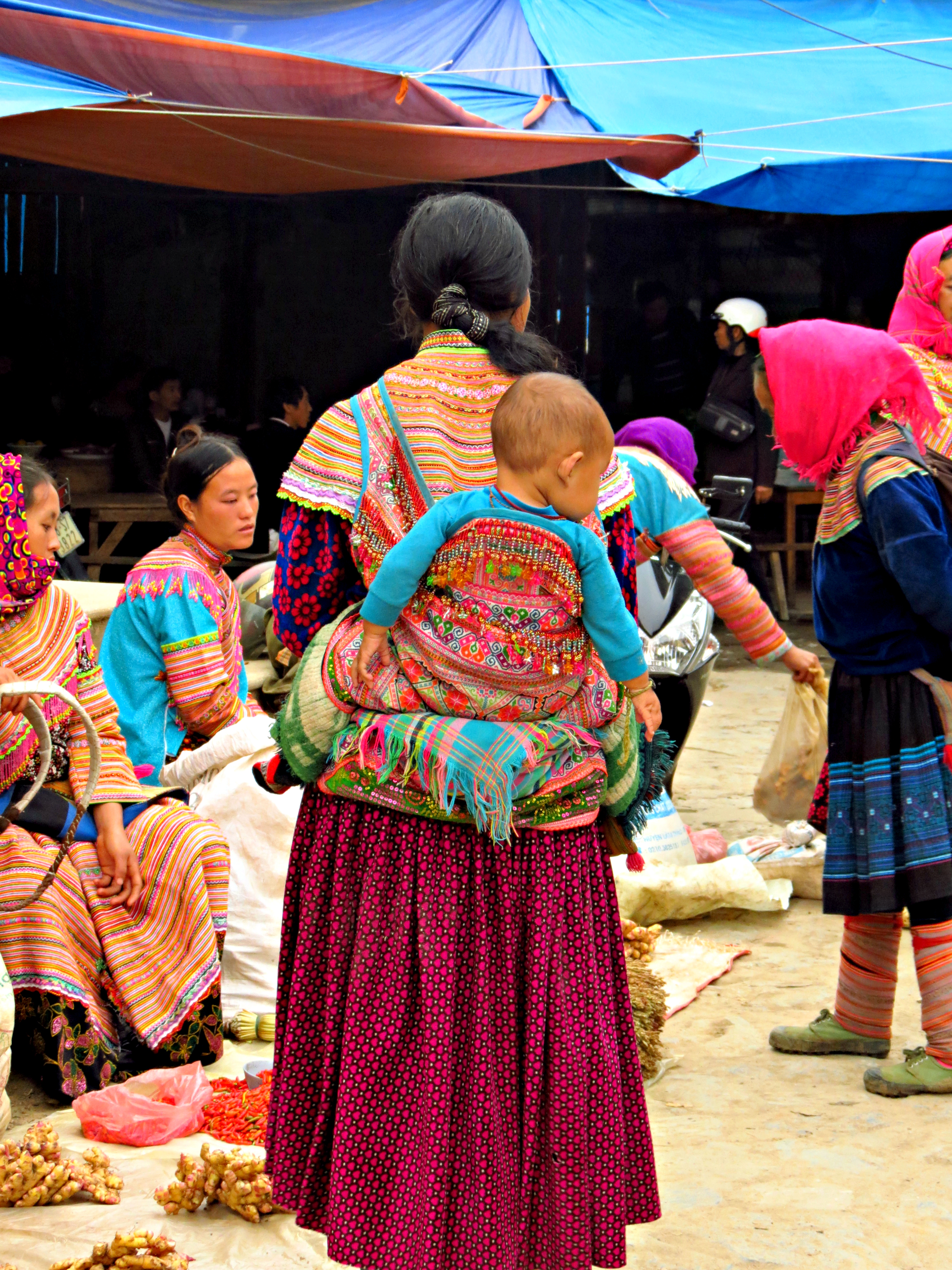
Minority groups like the Khmu, Hmong, Christian religious minorities and Indigenous hill tribes, face state-sanctioned oppression, forced evictions, and political exclusion under Laos’ authoritarian governance structure.7
Christianity has been branded as an external threat to the communist national ideology, making Christian minorities—particularly Hmong Christians—prone to attacks, detentions, village evictions, and church destructions.8
Additionally, the Hmong face severe economic reprisals and systemic discrimination that undermine their livelihoods. Targeted attacks on homes and farmland lead to property destruction and forced evictions, eroding economic stability.
Exclusion from economic development initiatives further restricts their capacity to improve socio-economic conditions, while the destruction of agricultural land results in loss of livelihoods, food insecurity, and increased poverty.
They also experience deprivation of educational opportunities, as discrimination in education, driven by scarce resources, and limited access to schools—exacerbated by distance and transportation challenges— yield diminished enrolment and higher dropout and attrition rates. Furthermore, governmental opportunities are restricted through political exclusion and limited access to government programmes and services, further marginalising the Hmong community.9 10
As for employment, the Hmong have been deprived of the right to work and to enjoy just and favourable working conditions. For instance, those involved in mining activities face grave risks, as military personnel impose fines and block mine entrances forcing workers into hazardous working conditions. This often results in the demise of individuals confined inside.11
This economic marginalisation is compounded by restrictions on freedom of movement, as military confinement and surveillance prevent Hmong families from accessing labour markets and basic income-generating activities, deepening their poverty and dependency.12
Beyond immediate physical violence, the Hmong face severe limitations of their cultural, social, and economic rights. Despite Laos ratifying the International Covenant on Economic, Social and Cultural Rights (ICESCR) in 2007, the Hmong community experiences systematic violations including forced relocations, violations of the right to self-determination, inadequate access to health and education services, as well as destruction of cultural life.13
Reports have also indicated the usage of chemical weapons, heavy artillery and starvation as a deliberate tactic employed to displace the population.
This has not only impoverished the community but also forced their relocation to military fortified villages and robbed them of their land rights.14 In addition, civilians are prone to forced labour, gender-based violence, whereas communities and resources are destroyed.15 16
Analysis of ongoing repression against the Hmong
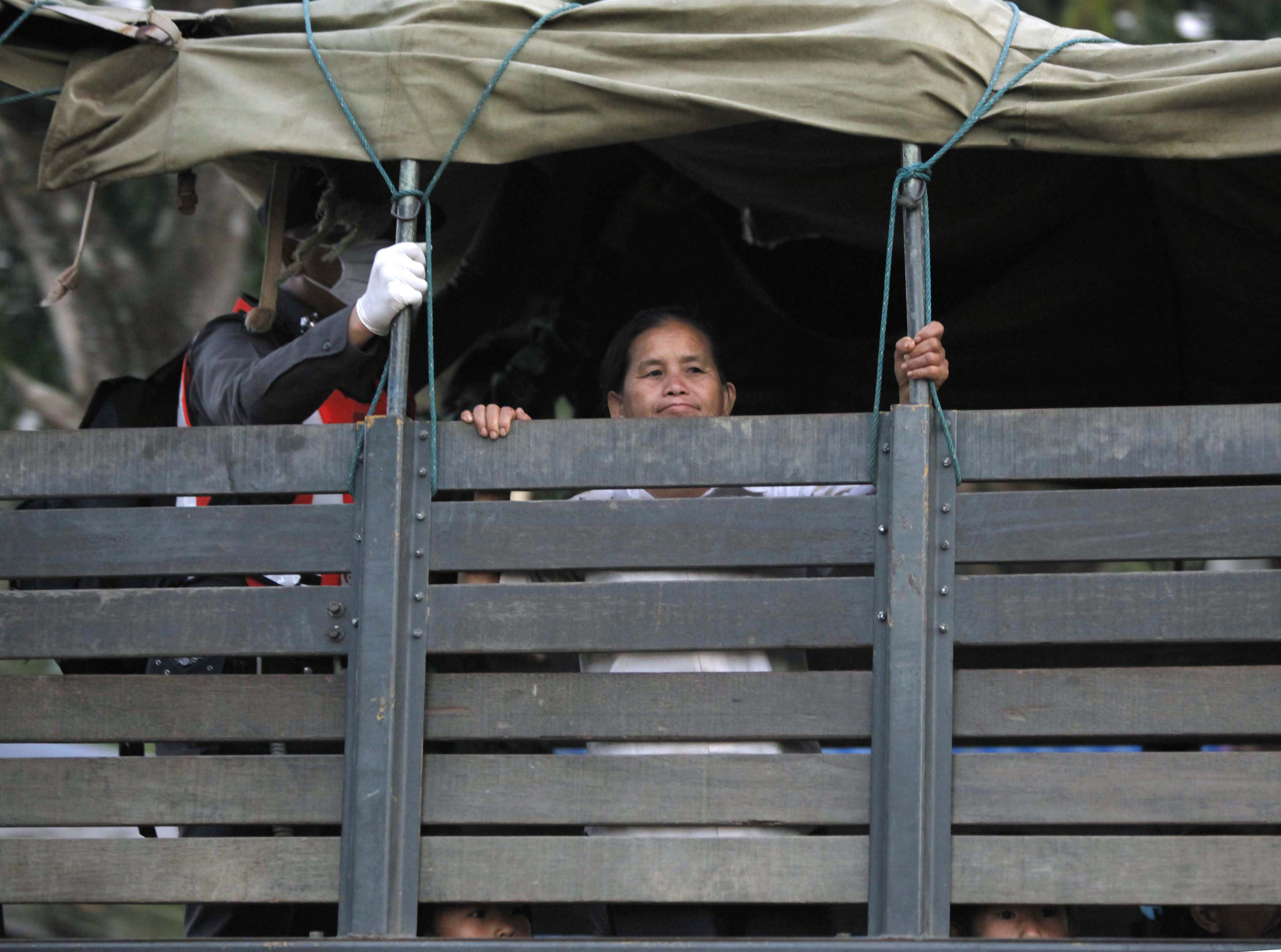
As per reports obtained from fact-finding missions by journalists and the Unrepresented Nations and Peoples Organisation (UNPO), Hmong families live in dreadful conditions and are driven into a cycle of continuous displacement. Despite living in makeshift shelters, the Hmong remain under military surveillance causing severe trauma among the population.17
On 17 May 2025, coordinated attacks by Lao and Vietnamese troops in Bokeo and Xaisomboun provinces, worsened the already-dire humanitarian situation as the attacks resulted in displacement, forced disappearances, and extrajudicial killings.18 19 The military operation was supposedly carried out in retaliation to the deaths of Lao soldiers attributed to Hmong community members despite evidence suggesting their demise was tied to drug trafficking disputes. During these operations or when confined to military facilities, men are often separated from their families while women face abuse, including forced marriages. Pregnant women receive no protection and face lethal conditions during displacement. Children are exposed to starvation, trafficking, and violence, in flagrant violation of the Convention on the Rights of the Child.20
Impunity is entrenched, as forced disappearances, arbitrary detentions, and killings continue without investigation. For instance, in early May 2025, two Hmong men were detained during military crackdowns and remain missing. In the same operation, three children aged 12, 15, and 17 were killed, underscoring the indiscriminate nature of state violence.21 22 Despite Laos ratifying key human rights treaties such as the International Covenant on Civil and Political Rights (ICCPR) (2009), the Convention on the Elimination of all Forms of Discrimination Against Women (CEDAW) (1981) and the International Convention on the Elimination of All Forms of Racial Discrimination (ICERD) (1974), the civic space in the country is categorised as ‘closed’ reflecting severe restrictions on association, expression, peaceful assembly, and religion.23 24 Civil society organisations using terms such as “Indigenous peoples” face harassment and prohibition, further silencing advocacy for the Hmong.25
International action
While the United Nations’ (UN) Human Rights Council has issued repeated recommendations urging the Lao government to protect Hmong people, these calls have been met with inaction and continued repression.26
The UNPO and the Congress of the World Hmong People (CWHP) submitted two vital reports in August 2025 to UN bodies, including the UN Committee on Economic, Social and Cultural Rights (CESCR) and UN Special Procedures, detailing grave violations against the Hmong people in Laos.27 Additionally, Hmong families are deliberately denied civil documentation and identification, effectively stripping them of nationality and access to social protection or movement outside militarised zones.28
A second report submitted by UNPO, CWHP, and Boat People SOS (BPSOS) to UN Special Procedures raised concerns regarding the joint Lao-Vietnamese military assaults, which may constitute crimes against humanity under international law.29 These assaults contravene: Articles 6 and 9 of the International Covenant on Civil and Political Rights (ICCPR) which safeguard the right to life and the liberty and security of a person; Articles 6, 19, 37, and 38 on the Convention on the Rights of the Child (CRC) which ensure the right to life, protection from violence, and special protections accorded to children in armed conflicts; and Articles 11 and 12 of the International Covenant on Economic, Social and Cultural Rights (ICESCR) ensuring the right to adequate housing and the right to healthcare.30 In addition, although the Lao Government has signed the International Convention for the Protection of All Persons from Enforced Disappearance (ICPPED), it has not ratified it.31 Thus, the absence of a comprehensive legal framework, along with the current repression, present a significant hurdle for lawyers who seek to take legal action against the Lao government at the international court.
Conclusion
Human rights violations against the Hmong community in Laos have been systematic and dire and often linked to aggression, discrimination and suppression. While Laos has ratified international human rights treaties, the Hmong continue to face violations of their economic, social, and cultural rights. The government’s policies have nonetheless resulted in significant cultural suppression, land seizure and increased cases of arrests and fatalities of the Hmong, children included.
The government’s tight grip on the civil society and media has equally worsened the current situation by fostering an environment where violations of fundamental rights occur simultaneously with impunity. There is therefore urgency for international attention and action to ensure the protection of the Hmong population. The international community should thus hold the government liable for state-sanctioned aggression as well as compel the administration to avert any further abuses against the Hmong.