
A General Overview on Terrorism in Central Asia
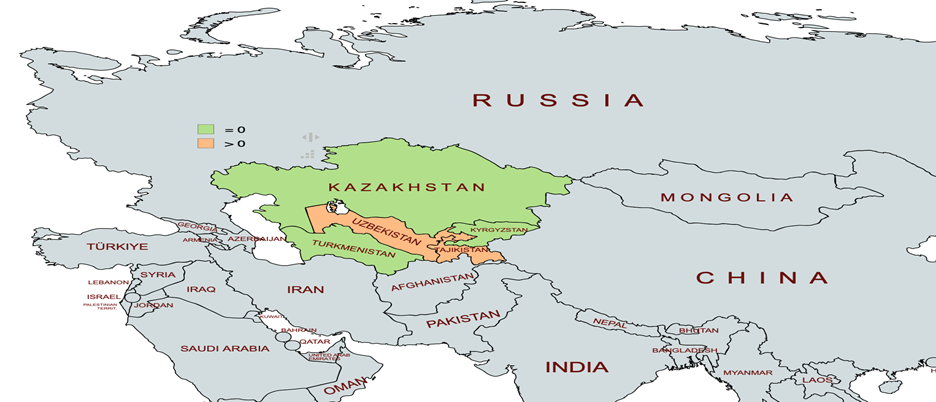
In the late 1990s, most Central Asian states—except Turkmenistan[2]—viewed the Taliban as the primary terrorist threat. This concern emerged during the post-Soviet transition, as newly independent governments reintroduced Islam to gain legitimacy but remained prudent of its politicization due to fears from the Taliban’s rise and the Islamist model after Iran’s 1979 revolution. Uzbekistan and Tajikistan supported ethnic allies in Afghanistan, while the Taliban harbored the Islamic Movement of Uzbekistan (IMU), which carried out cross-border attacks in 1999–2000. After 2001, the IMU fled to Pakistan; following the Taliban’s return to power in 2021, all Central Asian governments, except Tajikistan, adopted a pragmatic stance, engaging with Taliban officials to protect economic and security interests, relying on their assurance to prevent cross-border terrorism.[3] Currently, Central Asia has recently experienced only a limited impact from terrorism, with states showing minimal impact from terrorism in 2025.[4]
Concerns remain high over the ISIS-K,[5] a militant group based near the Afghan–Central Asian border with ambitions to establish a caliphate across parts of Afghanistan, Iran, Pakistan, and Central Asia.[6] Over the past decade, ISIS-K has expanded beyond Afghanistan, launching deadly attacks in Pakistan, Iran, Russia, and Central Asia. A major source of its strength is its sophisticated, multilingual propaganda targeting youth across South and Central Asia. Content is produced in languages including Pashto, Dari, Arabic, Urdu, Farsi, Uzbek, Tajik, English, Russian, and Turkish, offering both ideological messaging and practical guidance on tactics and target selection.[7] ISIS-K has ramped up its outreach through the Al-Azaim Foundation,[8] producing localized content in Uzbek and Tajik that taps into regional grievances while pushing a global jihadist agenda. It has also framed attacks on Chinese, Russian, and Central Asian nationals as retaliation for anti-Muslim policies and sought to discredit the Taliban.[9]
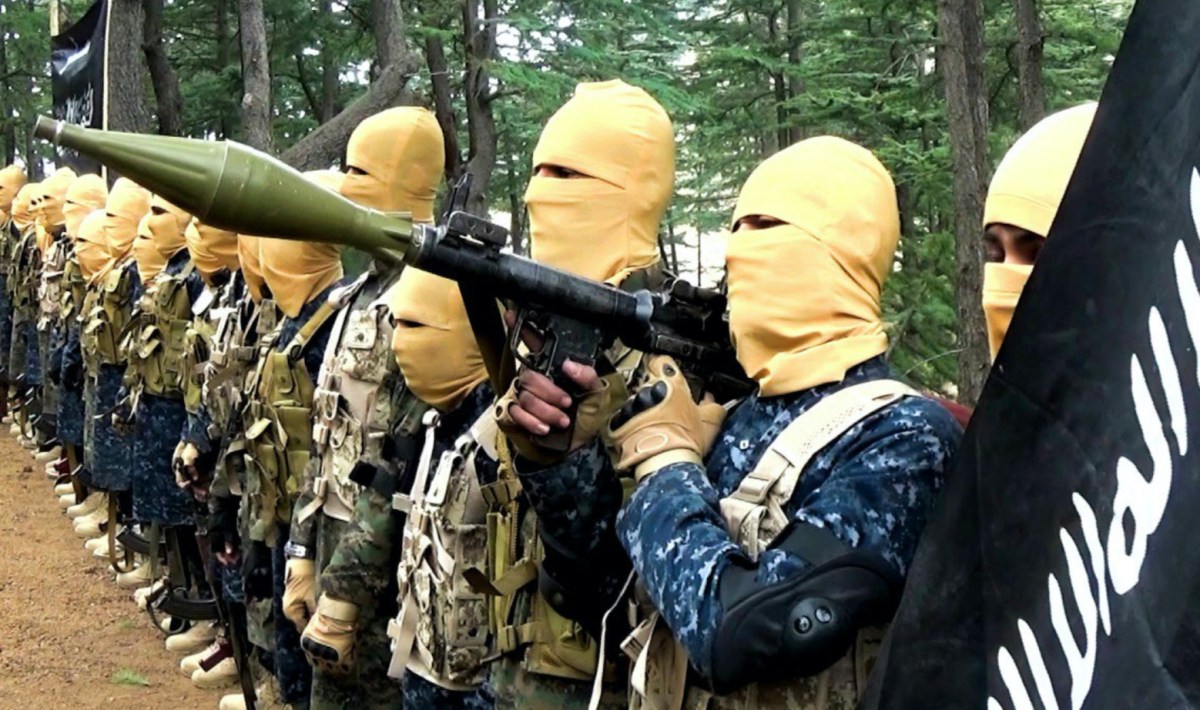
Central Asia has seen a rise in ISIS-K-related arrests and plots, highlighting both the group’s growing focus and stepped-up counterterrorism efforts. Notable incidents include teenage plotters in Kyrgyzstan (2023), a car bomb in Tajikistan against a leader of the Democratic Party of Tajikistan (2024), and the arrest of 15 individuals in Bishkek, Kyrgyzstan, (2024) for spreading ISIS-K-linked materials.[10] While IS affiliates in Central Asia remain fragmented, Tajik networks still connect to the Islamic State in Iraq and al-Sham (ISIS) central leadership, while groups in Kyrgyzstan, Uzbekistan, and Kazakhstan align more with ISIS-K.[11]Recent arrests in 2023–2024 show growing involvement of Kyrgyz, Turkmen, and Uzbek nationals—expanding beyond the previously dominant Tajik networks.[12] Since 2017, Central Asians—particularly Uzbeks and Kyrgyz—have been involved in several high-profile international attacks, such as the St. Petersburg metro bombing and the Stockholm truck attack.[13] This ongoing trend reflects the region’s vulnerability, driven by socioeconomic hardship, weak governance, and the suppression of moderate religious and political expression—all of which continue to fuel ISIS-K’s appeal both locally and abroad.[14]
Regional Analysis on Terrorism in Central Asia (Q2-Q3 2025)
Terrorism presence in Central Asia is concentrated around the tri-border area of Uzbekistan, Kyrgyzstan, and Tajikistan, where ill-defined and porous borders facilitate the movement of people and illicit goods. In Uzbekistan, groups such as the Islamic Jihad Union (IJU),[15] the IMU, and the ISIS-K have been active. Tajikistan has seen activity from ISIS, while Kyrgyzstan has experienced operations by IJU, IMU, and ISIS-K.[16] In Q2–Q3 of 2025, terrorism in Central Asia remained low, consistent with previous analyses, with a series of terrorism-related incidents primarily associated with ISIS-K and other extremist groups, according to open-source online research.
Uzbekistan
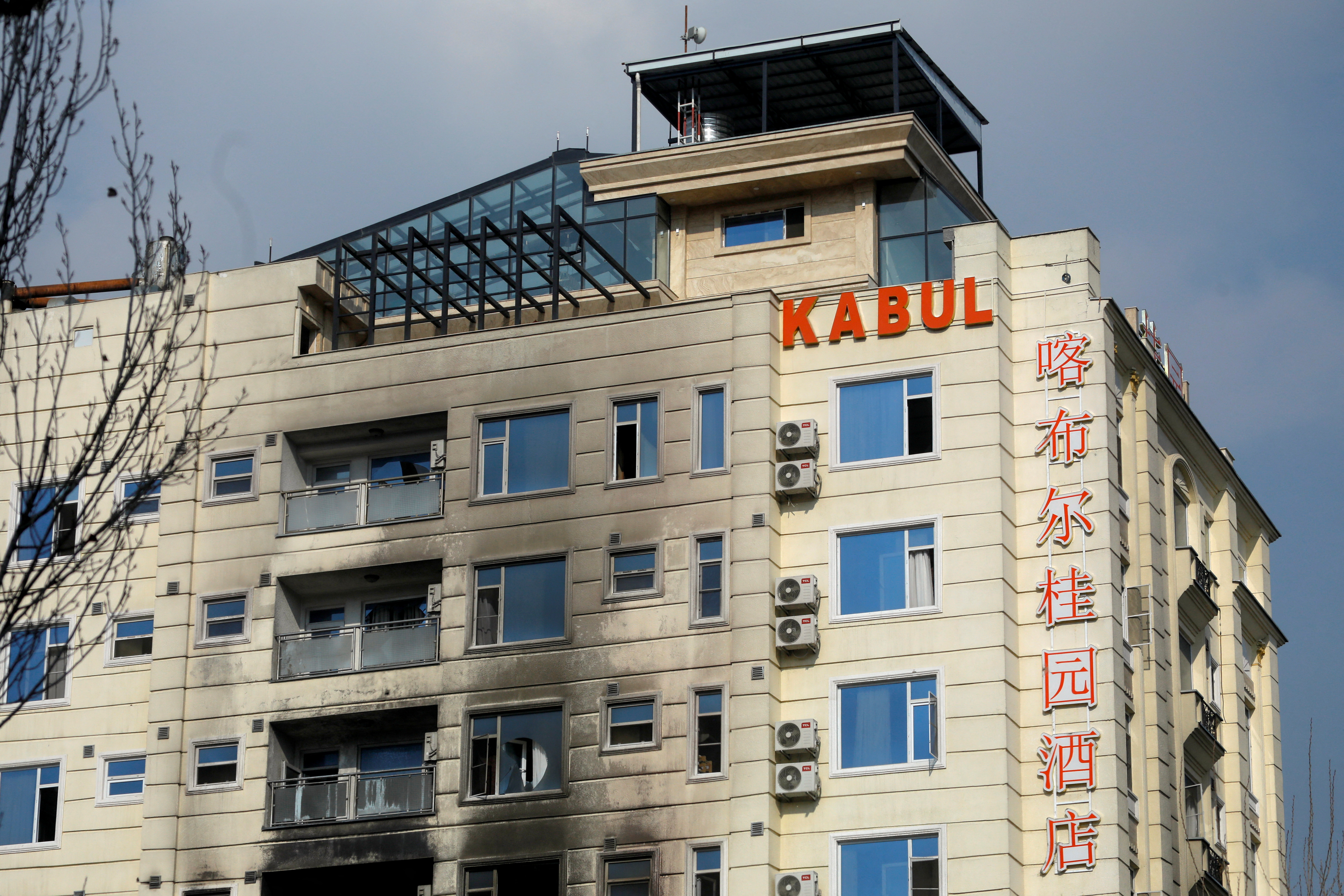
On June 30, Obid Saparov, a 46-year-old man from Kashkadarya Region, was sentenced to sixteen years in prison by the Yakkasaray District Court for terrorism, sabotage, and related crimes. Since 2013, Saparov led a local extremist group, “Jihodchilar,” and later joined ISIS-K. He traveled across Russia, Azerbaijan, Iran, Afghanistan, and Pakistan for militant operations, receiving combat training and engaging in armed clashes with Afghan, Pakistani, and U.S. forces. Saparov was involved in the July 2022 rocket attack on Termez and has also aided in the bombings near the Russian Embassy and a Sikh temple in Kabul by providing shelter, transport, and explosives. Arrested in Pakistan in January 2025 and extradited to Uzbekistan, he partially admitted guilt. The court convicted him on six charges, including terrorism, sabotage and extremist propaganda.[17] On July 21, Uzbekistan’s State Security Service and local law enforcement uncovered an ISIS-K cell in Namangan led by a 19-year-old woman who studied at a private Islamic school in Istanbul in 2022. Four members were detained, with over ten under investigation. The leader managed Telegram channels with hundred and plus followers, spreading extremist materials and jihadist propaganda, criticizing Uzbekistan’s reforms, and encouraging terrorism. Notably, one member founded a private university in Namangan.[18] On August 22, 21 individuals were detained in Namangan for promoting ISIS ideology. The group’s leader ran illegal social media channels and recruited members online, including a contact in South Korea linked to terrorist networks. Members planned travel to conflict zones, unauthorized marriages, and recruitment of relatives and neighbors through execution videos and calls for violence, religious books, digital media, and other evidence seized by authorities.[19] These investigation results make it clear that Uzbekistan has actively strengthened counterterrorism efforts and regional cooperation. In July 2025, the UN Regional Centre for Preventive Diplomacy for Central Asia (UNRCCA) and the UN Office of Counterterrorism (UNOCT) held a training in Tashkent to improve early warning systems. Participants from Tajikistan and Uzbekistan workshopped on Open-Source Intelligence and Artificial Intelligence for data management, cybersecurity, online monitoring, and counterterrorism.[20]
Tajikistan
The only event identified through open-source research, despite it being Q1 of 2025, is the one reported on February 4, where at least five prisoners supporting IS were killed after attacking guards and attempting a breakout at a penal colony 20 km east of Dushanbe. Three guards were seriously injured by nine inmates, and the prison head was hospitalized in critical condition. The prisoners had been convicted for links to ISIS and the Jihadi Salafi movement.[21] No group has claimed responsibility.[22]Tajikistan implemented significant legal and policy measures; in May, the government decriminalized “liking” social media posts deemed extremist, reversing a 2018 law that had resulted in over 1,500 imprisonments. This move represents a more nuanced approach to online content and reflects an effort to balance security with individual freedoms.[23] In June 2025, in partnership with the European Union, it organized a workshop in Dushanbe to strengthen cooperation in preventing and countering violent extremism, bringing together policymakers, law enforcement, and civil society actors to exchange knowledge and enhance collaborative efforts.[24] Furthermore, the United Nations Office on Drugs and Crime (UNODC) collaborated with Tajikistan’s Prison Service to address the threat of foreign terrorist fighters in prisons. The two-year “Returning Foreign Terrorist Fighters Detention Programme” aims to provide technical assistance to prevent radicalization to violence within detention facilities.[25]
Kazakhstan
Seven Kazakh citizens were sentenced to prison in July for terrorist-related crimes, the National Security Committee of Kazakhstan reported.[26] In the same month, Kazakhstan hosted the first Capacity Building Programme for Central Asian Republics, focusing on combating terrorism financing through emerging financial channels such as cryptocurrencies and crowdfunding. This initiative aimed to enhance the regional ability to detect, prevent, and counter the funding of terrorist activities. The programme brought together senior experts from Uzbekistan, Turkmenistan, Kazakhstan, Tajikistan, and Kyrgyzstan to enhance regional cooperation on combating terrorism financing. Sessions were led by Indian authorities (e.g. Financial Action Task Force – Cell of the Department of Revenue, from the Ministry of Home Affairs, the National Investigation Agency and the Financial Intelligence Unit) on Anti-Money Laundering and Countering the Financing of Terrorism (AML/CFT) standards. Tailored to Central Asia’s needs, the programme strengthened technical capacity and awareness of emerging terrorism financing risks through interactive discussions, case studies, and operational best practices. Topics included the use of financial intelligence in terrorism investigations, the misuse of Virtual Asset Service Providers (VASPs)[27] and crowdfunding platforms, and the abuse of Non-Profit Organizations for terrorist purposes.[28]
Kyrgyzstan
On July 17, the State Committee for National Security (SCNS) of Kyrgyzstan detained a 22-year-old resident of Bishkek for supporting ISIS. Influenced by online radical preachers, he pledged allegiance, planned to join it in Syria, and distributed extremist materials on social media using fake accounts. The detainee is held in pre-trial detention while investigations continue. The SCNS emphasized that terrorism propaganda is a crime, not freedom of speech, and warned citizens to seek religious knowledge from reliable sources to avoid manipulation by extremist networks.[29]
Turkmenistan
Turkmenistan has not reported any confirmed terrorist attacks or significant extremist activities within its borders. The country maintains a strict security posture, with heightened vigilance along its border with Afghanistan.[30] In response to regional threats, Turkmenistan has actively strengthened its counterterrorism and counter-extremism measures. In June 2025, the United Nations Development Programme (UNDP), in collaboration with Japan, launched a specialized training program to enhance community resilience against extremism. The program, titled “Psychological Aspects of Preventing Various Forms of Extremism,” included participants from social services, law enforcement, education, and psychology, focusing on methodologies to analyze and counteract extremist ideologies.[31] In May 2025, Turkmenistan partnered with Hedayah, the International Center of Excellence for Countering Violent Extremism, to conduct a three-day training program aimed at enhancing national efforts to prevent violent extremism. These initiatives highlight the country’s commitment to building counter-extremism capacities and promoting societal resilience.[32] Although Turkmenistan has not experienced direct terrorist incidents in 2025, its proactive measures demonstrate a clear recognition of potential regional threats and an ongoing effort to mitigate the risks of radicalization while ensuring national security.