
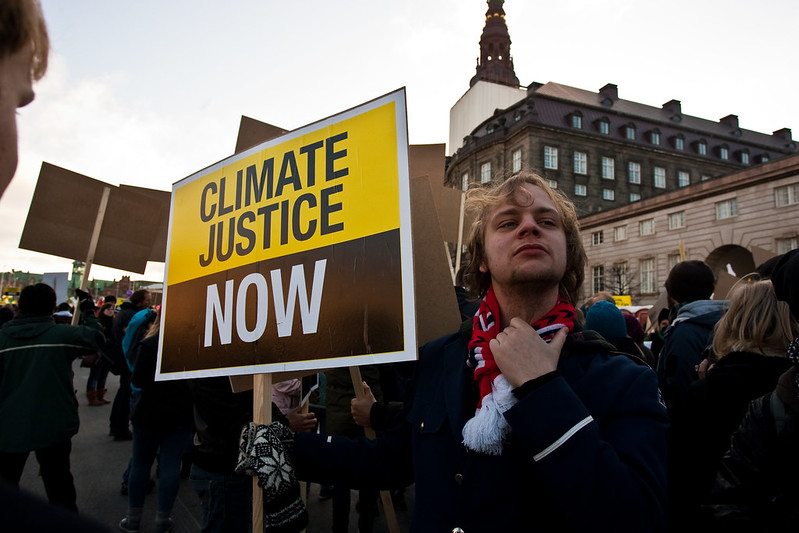
The European Court of Human Rights now has the opportunity to shape climate human rights in Europe – as well as around the world.
Category Archives: Blog
Police Brutality: Shedding Light on the Prevalence of Illegality within the Special Anti-Robbery Squad in Nigeria

So far, no one has been held accountable for the numerous crimes perpetrated by members of the now disbanded SARS unit.
The French Proposal and Identity in North Macedonia: Perspectives from Moderates in Skopje and Ohrid

Ordinary (north) Macedonians are concerned about the revised French proposal’s potential ramifications on their identity.
Liberian Civil Wars: Depending on Universal Jurisdiction to Fight Impunity

The Liberian Civil Wars (1989-2003) were one of Africa’s bloodiest and most brutal civil conflicts in the post-independence era.
Geopolitics and Narrative at the UNSC’s 11 May Bosnia and Herzegovina Meeting

The UNSC’s 11 May Bosnia and Herzegovina meeting saw the emergence of three key international positions relating to the international community’s approach towards resolving growing instability in Bosnia and Herzegovina.
Landmark Judgment in Koblenz Higher Court Conviction: Lesson Learned in the Case of Syrian Asylee Found Guilty of International Crimes

Germany has proven itself to be one of the leading countries when it comes to upholding justice against the Assad regime for the Syrian conflict.
Examining the Russian Attack Against Ukraine Through the Lens of International Law

The Russian assault against Ukraine is not only a manifest violation of the prohibition on the use of force, a cornerstone of the international legal order set up in the aftermath of World War II, but also a flagrant crime against peace that facilitates the commission of other international crimes, such as the perpetration of war crimes.
The Burden of Proof at the International Criminal Court: Laurent Gbagbo and Charles Blé Goudé Acquittal upon Motion of No Case to Answer

Laurent Gbagbo and Charles Blé Goudé were two individuals that the United Nations Security Council and the international community believe responsible for the Cote d’Ivoire 2010-2011 crisis, at least before their cases entered the trial stage.
Children’s Protection During Armed Conflict and the Criminal Responsibility of Child Soldiers
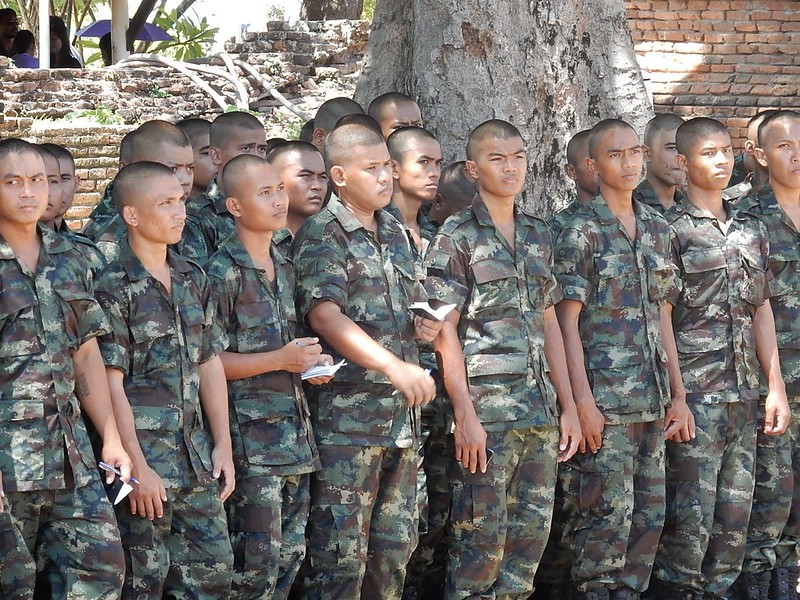
The case of child soldiers is a clear example of role reversals, where victims become perpetrators. In many cases, these children start as victims of war crimes and end up becoming offenders of similar crimes to the ones they suffered before.
Accounting for ‘Victims who Victimize’ in International Criminal Justice: Is Restorative Justice the Way Forward?

On one hand restorative justice affirms that a perpetrator’s past does not justify future conduct, however, on the other it goes a step further than punitive justice.