
Five years after the Taliban’s return, Afghanistan’s gender crisis risks entering a new phase.
Category Archives: Central Asia Programme
The Rise of the Central Asian Narcotics Hub: Drug Trafficking and Domestic Responses

Central Asia’s drug trade has changed faster than many of its legal frameworks. As synthetic substances, online sales, and domestic consumption reshape the market, states have responded unevenly.
Major Constitutional Reforms Raise Concerns in Kazakhstan
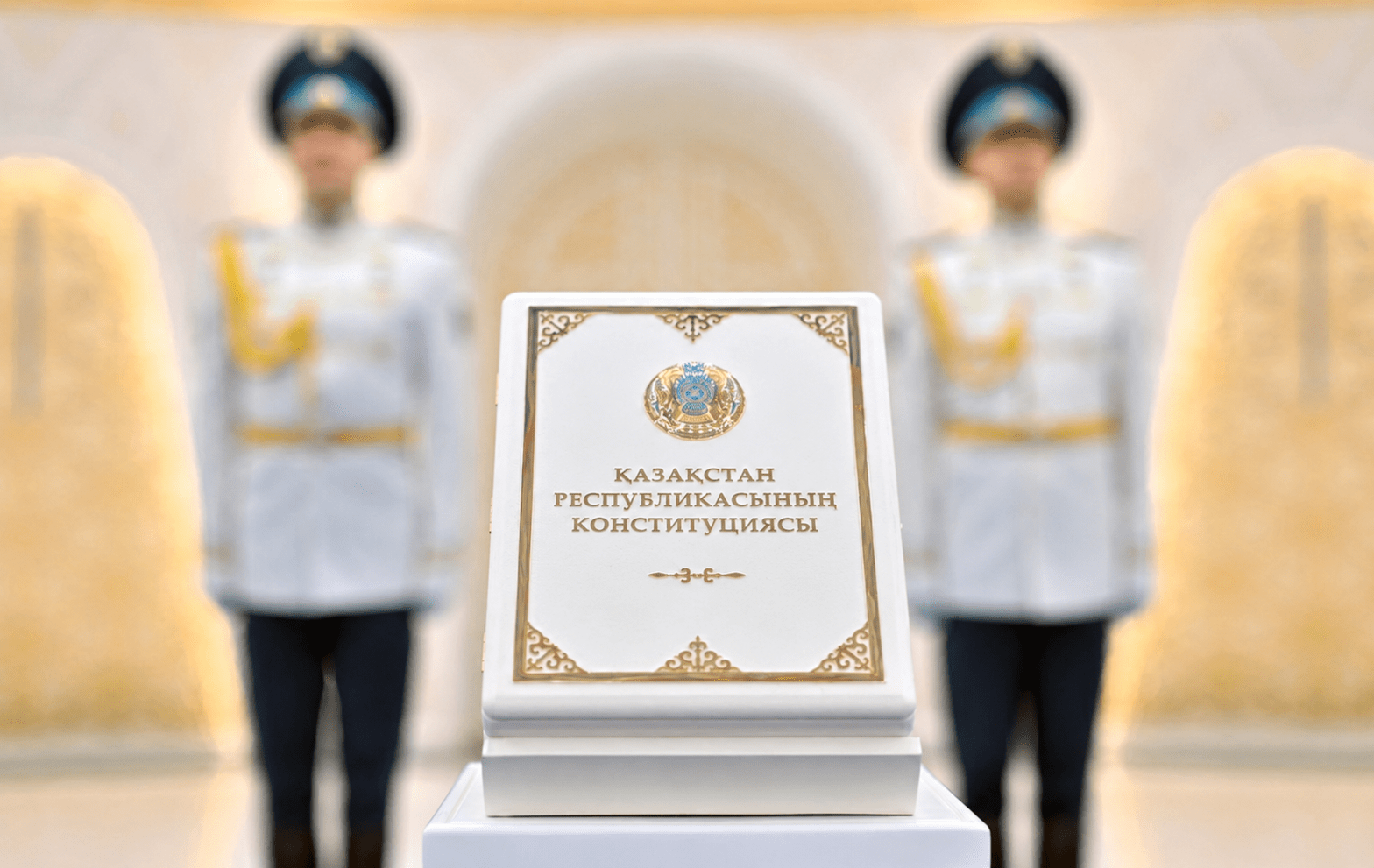
On 1 July 2026, a sweeping set of constitutional reforms came into force in Kazakhstan, ending the sitting parliament and launching a significant legal transformation in the Central Asian state.
Kyrgyzstan Wins Historic Seat on the UN Security Council: Priorities, Transformative Potential and Contrasting Domestic Human Rights Record

During its two-year tenure, Kyrgyzstan has promised to strengthen international peace and security through the promotion of preventative diplomacy, the development of mediation mechanisms, and the peaceful resolution of disputes.
The Pakistan–Afghanistan Crisis: An Overlooked War
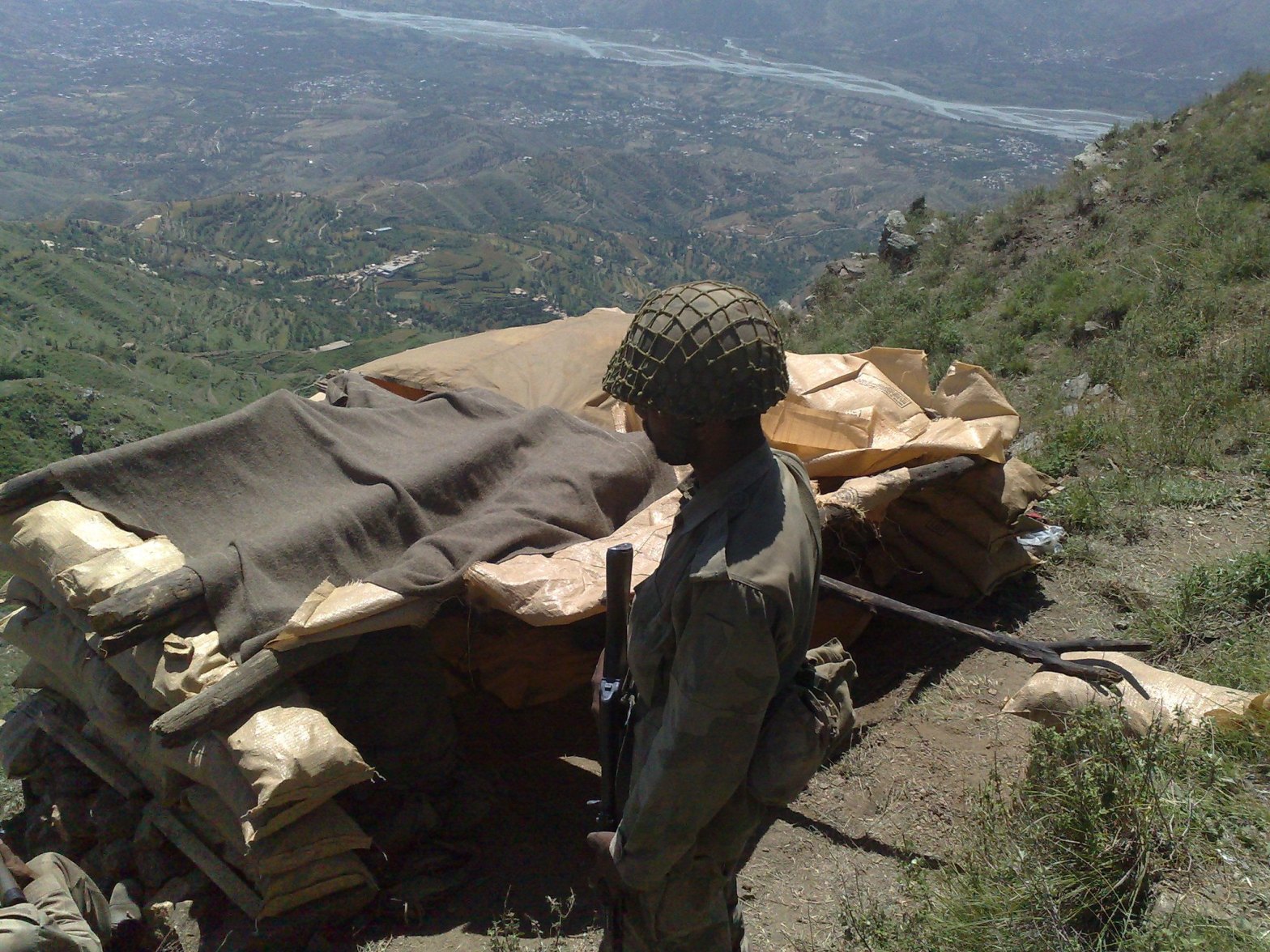
Pakistan and Afghanistan have entered one of the most serious periods of confrontation in their recent history, a crisis that has steadily evolved into repeated military exchanges, retaliatory operations, and growing diplomatic tensions.
The Illusion of Connectivity: Does Growing Internet Access Correlate With Freedom of Expression in Kazakhstan?
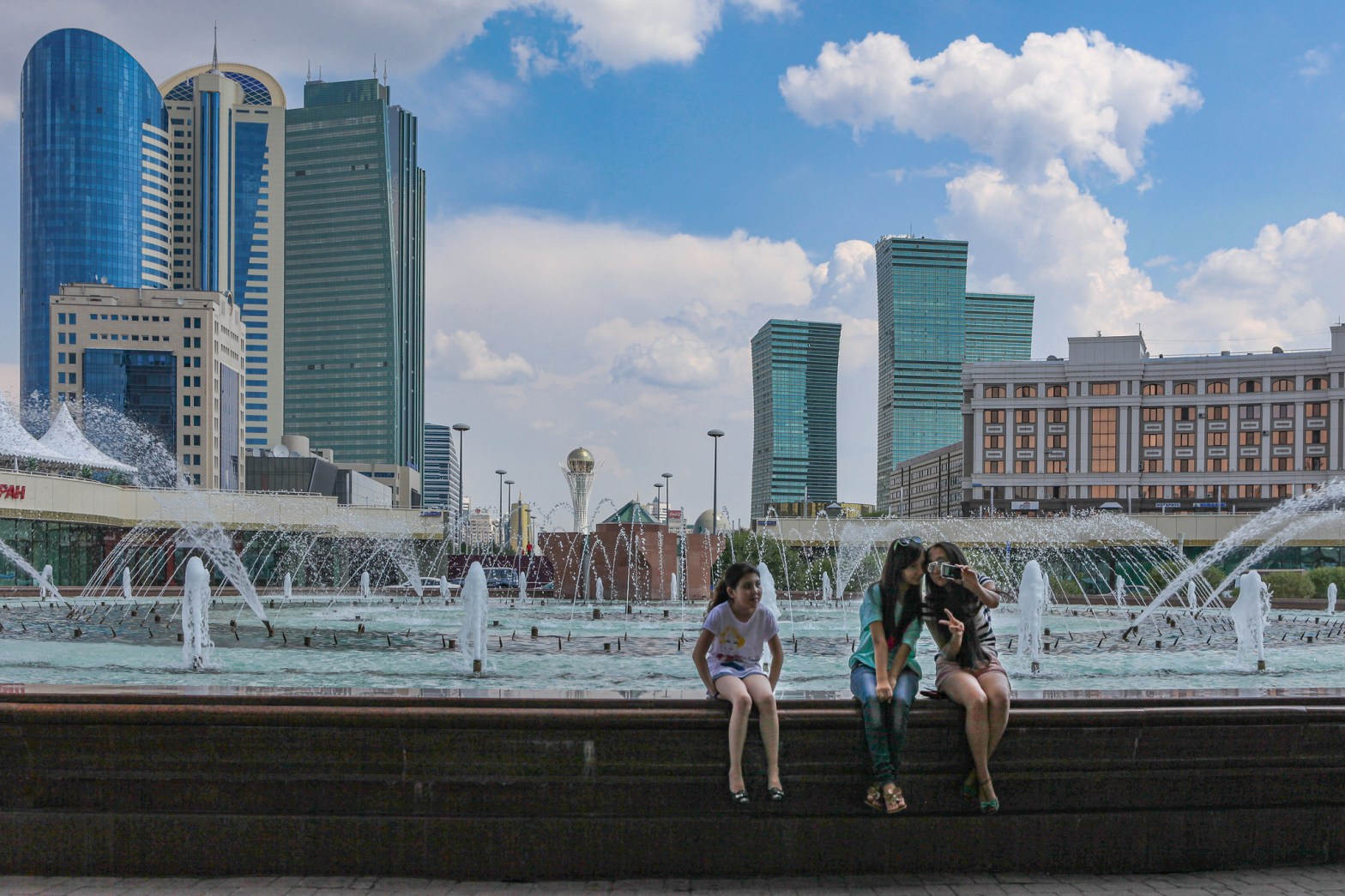
Kazakhstan’s current digital landscape provides a definitive case study, illustrating the tension between technological advancement and tightening state control.
Kyrgyzstan’s Death Penalty Debate and Its Implications for Human Rights

The Constitutional Court’s ruling, while legally significant, has not yet catalysed the systemic legislative response that the scale of gender-based violence in Kyrgyzstan requires.
Three Years Since Criminalisation: Gender-Based Violence in Uzbekistan

The past three years have marked a pivotal period of increased protection for women and survivors of gender-based violence and domestic violence in Uzbekistan.
Central Asia – Things to look out for in 2026

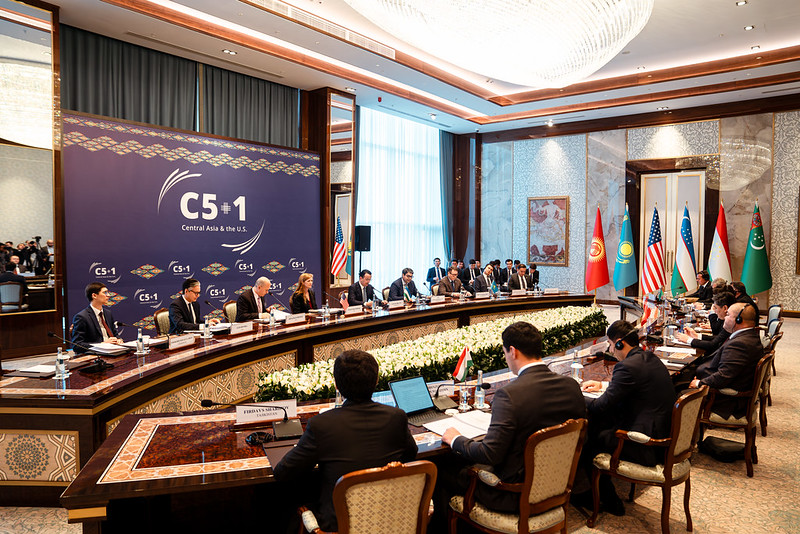
In his speech to the UN General Assembly in September, Uzbek President Shavkat Mirziyoyev announced that the process of forming a ‘New Central Asia’ has begun. Certainly in 2026, Central Asia is expected to become an increasingly cohesive and strategic geopolitical community.
Central Asia in 2024: 10 Things to Watch Out For
Our Central Asia Programme team distils 10 key issues that may shape Central Asia in 2024.